
Vegetarian is not the same thing as Vegan
What is a vegetarian?
The short version is that vegetarians don’t eat meat products. For some vegetarians this can include not just red meat, but also poultry, seafood, eggs and dairy products.
How is a vegan diet different from a vegetarian diet?
The strictest form of vegetarianism is Veganism, which means that a person neither eats nor uses any animal products or by-products. By-products can be a tricky area — it’s best to check all recipe ingredients against a list of vegan-approved items first before proclaiming a dish to be “Vegan-friendly” to avoid potentially upsetting guests.
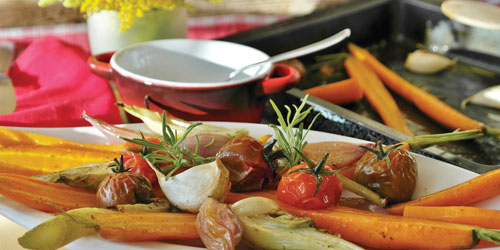
Entertaining and Vegetarian Foods
If you know that someone attending your event or party is a vegetarian, the easiest way to accomodate their food needs is to just ask them what they can eat. It’s much easier than going to the trouble of preparing a great vegetarian recipe using butter, only to find that they don’t eat dairy. If you’re having a potluck event, it’s just a matter of asking them to bring a dish.
A nice touch at any event is making sure specialty foods of any sort — vegetarian, vegan, paleo, kosher, halal, low-sodium, gluten-free — are clearly labeled as such.
Raw Food and Paleo Diets at Parties & Events
Raw Food and Paleo Diets are also gaining popularity. Raw food diets are just that – because foods are consumed either raw, dehydrated, or cooked at very low heat, they tend more toward vegetarian/vegan ingredients, though sashimi (raw fish) and carpaccio (raw meat) may be included. Paleo Diets (short for Paleolithic – the reason why this style of eating is also sometimes called the “Caveman Diet”) are diets which utilize foods that approximate as closely as possible what humans ate during the Paleolithic era. Meat, fish, eggs, greens, nuts, roots are all generally accepted in a Paleo diet. How and how much they are cooked varies from diet to diet.